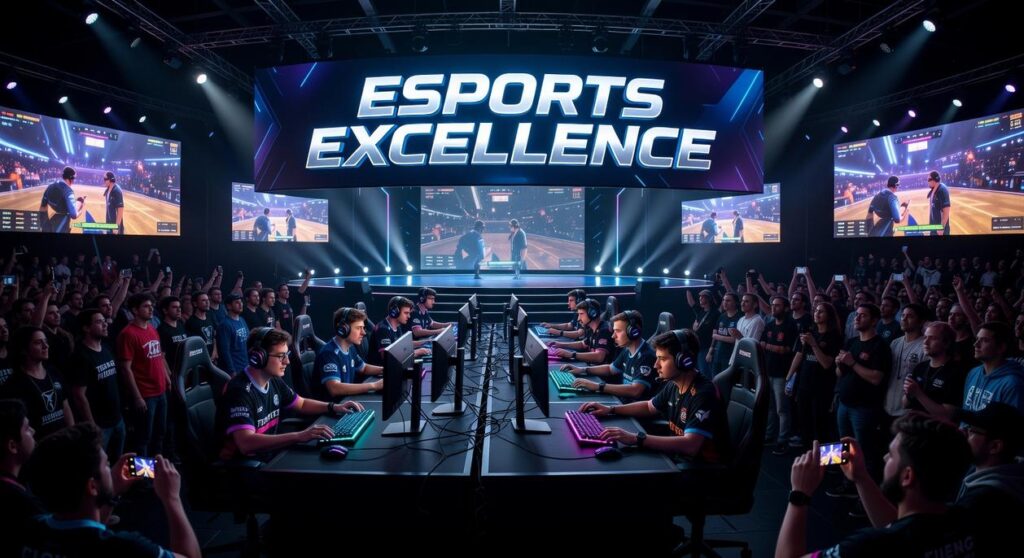

If you’re searching for practical insights on building stronger esports teams, improving tournament setups, and staying ahead of key gaming trends, you’re in the right place. The competitive gaming landscape moves fast—new strategies emerge overnight, rosters shift unexpectedly, and tournament standards continue to evolve. Whether you’re a player, coach, organizer, or passionate fan, staying informed is the difference between keeping up and leading the pack.
This article dives into the most important developments shaping today’s scene, from core gameplay strategies to esports talent scouting and effective event hosting. We break down what’s working right now, why certain teams are gaining momentum, and how smart preparation translates into competitive advantage.
Our insights are built on in-depth analysis of current esports trends, tournament structures, and competitive performance patterns—ensuring you get information that’s accurate, relevant, and actionable. By the end, you’ll have a clearer understanding of where the scene is heading and how to position yourself for success.
Building a Championship Roster
Leaderboards lie. They show mechanical skill, not resilience, communication, or clutch decision-making under pressure. Modern esports talent scouting must blend data with psychology.
- Scrim analytics to track consistency over highlight plays.
Some argue raw aim always wins. But history suggests synergy beats solo stars (just ask any Overwatch League fan).
Step one: define roles and culture before tryouts. Step two: simulate stress with structured comms drills.
Looking ahead, expect AI-driven performance modeling to flag burnout risks and hidden potential—this is informed speculation, but tools already hint at it.
Pro tip: prioritize coachable mindsets over ego.
Step 1: Architecting Your Ideal Player Profile
Most teams start with roles. I think that’s a mistake. “Entry Fragger” or “Support” is just a label. What you really need is a behavior blueprint—a clear picture of how a player thinks, rotates, communicates, and adapts inside your system. For example, do you want an entry who creates chaos like a ranked grinder, or one who methodically clears angles and feeds info? Those are wildly different outcomes.
In esports talent scouting, I’ve seen mechanically gifted players fail because no one defined expectations beyond kill counts.
The Intangibles Checklist
Soft skills win tournaments (yes, even more than flashy aim). Your non‑negotiables might include:
- Clear comms under pressure
- Tilt-proof mentality (everyone says they have it; few actually do)
- Coachability
- Consistent practice commitment
Define them early. If you can’t measure attitude, you’ll regret it later.
Defining Your Team Culture
Be honest. Are you a structured, VOD-heavy squad, or a fast, instinct-driven unit? A disciplined analyst will suffocate in chaos. An aggressive playmaker will resent over-structuring.
The Anti-Profile
List red flags: solo-queue hero syndrome, blame shifting, resistance to feedback. Talent is replaceable. Culture damage isn’t.
In my opinion, clarity beats charisma every time.
Step 2: The Modern Scouting Grounds – Where to Find Hidden Gems

High-level matchmaking has changed dramatically since 2020, when ranked ladders became legitimate pipelines to pro rosters. In Radiant or FACEIT Level 10 lobbies, raw stats can mislead. Instead, study decision-making (why did they rotate early?), positioning, and clutch timing. A 1.2 KD means little if the player baits teammates. Conversely, someone going even but consistently trading and anchoring sites shows pro-ready instincts. Pro tip: review three months of match history to spot consistency rather than hot streaks.
Next, shift to Tier 2 and Tier 3 tournament VODs. After just one online cup run, pressure exposes habits that ranked never will. Watch how players use utility in structured executes and how they adapt mid-series. Back in 2019, many breakout stars were first noticed in open qualifiers, not franchised leagues. That pattern still holds. These events remain the heartbeat of esports talent scouting because hunger is obvious on stage.
Meanwhile, niche community Discords function like underground tryout hubs. Beyond official servers, scrim-focused groups and role-specific channels reveal who is actively seeking growth. Engagement, punctuality, and communication style often predict longevity better than aim alone.
Finally, analyze streams and YouTube content. Personality matters. A mechanically gifted player who tilts publicly can destabilize a roster (we have all seen that storyline before). For broader context, revisit the evolution of esports team management structures to understand how scouting priorities have shifted over time: https://etsgamevent.com.co/the-evolution-of-esports-team-management-structures/. Scout with patience; gems rarely shine instantly. Consistently.
Step 3: The Vetting Gauntlet – Separating Contenders from Pretenders
This is where things get real.
You’re no longer browsing talent—you’re narrowing the field. And while there’s no flawless formula (if there were, every ranked prodigy would be a stage champion), a structured approach dramatically improves your odds.
1. The Initial Outreach
Start with a concise, tailored message. Outline the opportunity, your team’s goals, and why you’re reaching out to them specifically. Generic copy-paste DMs are the fastest way to get ignored. A thoughtful opener signals professionalism and respect. (Yes, players can smell a mass message from a mile away.)
2. Designing Effective Tryouts
Ranked games aren’t enough. Instead, create scenarios that test specific traits:
- Communication during a coordinated execute
- Adaptability when a strategy collapses
- Emotional control after a bad round
You’re evaluating decision-making under pressure—not just mechanics. Think of it as controlled stress testing, similar to esports talent scouting at higher tiers.
3. The Critical Interview
Ask targeted questions:
- “Describe a time you disagreed with a teammate’s call. What happened?”
- “What are your goals over the next six months?”
Their answers reveal maturity, ambition, and self-awareness. I’ll admit, interviews aren’t perfect predictors—some players interview like corporate pros and tilt in scrims. But patterns emerge.
4. The Reference Check
When possible, discreetly ask former teammates about reliability and work ethic. Pro tip: listen for hesitation—it often says more than words.
Is this process exhaustive? Not entirely. But it meaningfully separates contenders from pretenders.
Step 4: Crafting the Offer and Sealing the Deal
This is where interest turns into commitment. And commitment only happens when expectations are crystal clear.
Clarity is key. Put everything in writing—practice schedules, tournament commitments, communication standards, and your code of conduct. A code of conduct simply means agreed-upon behavioral rules that protect team culture (no rage-quitting mid-scrim like it’s a dramatic anime exit). When details are vague, misunderstandings grow fast.
Some argue formal documents feel “too corporate” for gaming. But structure doesn’t kill passion—it protects it. Even in esports talent scouting, professional standards separate serious teams from casual stacks.
Sell the vision. Players aren’t just joining for matches; they’re joining for growth. Explain their specific role, how you’ll support skill development, and what success looks like. Define terms clearly: a supportive environment means constructive feedback, consistent practice, and shared accountability.
- Propose a 2–4 week trial period to test chemistry and performance before locking in long-term commitments.
Finally, focus on onboarding. Add them to communication channels, review strategies, and set measurable first goals. When players feel included from day one, performance improves (and buy-in skyrockets). Clarity now prevents conflict later.
As esports teams increasingly rely on advanced analytics and innovative tools to scout and recruit new talent, the latest advancements from Lyncconf, such as the Lcftechmods new software update, are proving to be invaluable resources in this competitive landscape – for more details, check out our Lcftechmods New Software Update From Lyncconf.
Level Up Your Competitive Edge
You came here to understand what it really takes to build stronger esports teams, sharpen competitive strategies, and stay ahead in a fast-moving gaming scene. Now you have a clearer picture of how smart tournament setups, structured practice systems, and esports talent scouting directly impact long-term success.
The biggest challenge in competitive gaming isn’t passion — it’s direction. Too many teams struggle with inconsistent performance, overlooked talent, and poorly organized events that limit growth. When you don’t have the right systems in place, opportunities slip through your fingers.
The good news? You now know what to focus on. Prioritize structured development, refine your scouting approach, and build tournaments that actually showcase skill and strategy. That’s how sustainable success is created.
If you’re serious about elevating your roster, strengthening your competitive framework, and staying ahead of emerging trends, now is the time to act. Explore proven strategies, follow expert insights, and apply what you’ve learned today. The teams that win aren’t just talented — they’re prepared. Start building your advantage now.

 Linda Boggandaron writes the kind of insider explorations content that people actually send to each other. Not because it's flashy or controversial, but because it's the sort of thing where you read it and immediately think of three people who need to see it. Linda has a talent for identifying the questions that a lot of people have but haven't quite figured out how to articulate yet — and then answering them properly.
They covers a lot of ground: Insider Explorations, Esports Team Developments, Game Hosting and Setup Tips, and plenty of adjacent territory that doesn't always get treated with the same seriousness. The consistency across all of it is a certain kind of respect for the reader. Linda doesn't assume people are stupid, and they doesn't assume they know everything either. They writes for someone who is genuinely trying to figure something out — because that's usually who's actually reading. That assumption shapes everything from how they structures an explanation to how much background they includes before getting to the point.
Beyond the practical stuff, there's something in Linda's writing that reflects a real investment in the subject — not performed enthusiasm, but the kind of sustained interest that produces insight over time. They has been paying attention to insider explorations long enough that they notices things a more casual observer would miss. That depth shows up in the work in ways that are hard to fake.
Linda Boggandaron writes the kind of insider explorations content that people actually send to each other. Not because it's flashy or controversial, but because it's the sort of thing where you read it and immediately think of three people who need to see it. Linda has a talent for identifying the questions that a lot of people have but haven't quite figured out how to articulate yet — and then answering them properly.
They covers a lot of ground: Insider Explorations, Esports Team Developments, Game Hosting and Setup Tips, and plenty of adjacent territory that doesn't always get treated with the same seriousness. The consistency across all of it is a certain kind of respect for the reader. Linda doesn't assume people are stupid, and they doesn't assume they know everything either. They writes for someone who is genuinely trying to figure something out — because that's usually who's actually reading. That assumption shapes everything from how they structures an explanation to how much background they includes before getting to the point.
Beyond the practical stuff, there's something in Linda's writing that reflects a real investment in the subject — not performed enthusiasm, but the kind of sustained interest that produces insight over time. They has been paying attention to insider explorations long enough that they notices things a more casual observer would miss. That depth shows up in the work in ways that are hard to fake.