Competitive gaming is evolving fast—and whether you’re a casual player, aspiring esports competitor, or tournament organizer, staying ahead means understanding both strategy and structure. If you’re here, you’re likely looking for clear, practical insights on improving gameplay, following esports team developments, or setting up and running successful competitions. This article delivers exactly that.
We break down the hottest trends in gaming, core strategies that actually win matches, and the mechanics behind smooth tournament execution. You’ll also find actionable online tournament management tips designed to help you avoid common pitfalls, streamline brackets, and create a professional experience for players and viewers alike.
Our insights are built on in-depth analysis of competitive matches, current esports developments, and proven tournament frameworks used across the industry. Instead of surface-level commentary, you’ll get focused, experience-backed guidance that helps you compete smarter, host better events, and stay informed in a rapidly shifting gaming landscape.
Your Blueprint for a Flawless Online Tournament
To enhance your understanding of effective online tournament administration, you might find it helpful to explore the detailed strategies outlined in our article on ‘Manual Jogamesole.’
Hosting an online tournament shouldn’t feel like juggling flaming swords (unless chaos is your brand). This guide shows you exactly how to transform stress into structure—and structure into success. The real win? Players who come back for more.
With proven online tournament management tips, you’ll gain:
- A clear pre-event plan that builds hype and boosts sign-ups.
- Streamlined match coordination that prevents delays.
- Post-event engagement tactics that grow loyal communities.
The benefit is simple: smoother execution, stronger reputation, and a tournament experience that feels professional from start to finish.
Phase 1: The Pre-Game Setup and Strategy
The first tournament I ever hosted had 64 sign-ups… and complete chaos by round two. No clear rules, no backup plan, and players arguing in Discord at midnight (never again). That experience taught me one thing: the pre-game setup determines whether your event feels like esports—or a backyard brawl.
1. Choosing Your Arena
Picking the right platform is step one. Battlefy, Toornament, and Challonge each serve different needs. Battlefy works great for larger brackets and automated reporting. Challonge is beginner-friendly for smaller, casual events. Toornament offers deeper customization for complex formats. Think about your audience’s skill level and how much structure you actually need (pro tip: don’t overcomplicate your first event).
2. Defining the Rules of Engagement
A rulebook is your tournament’s constitution. Define format (single elimination means one loss and you’re out; double elimination gives a second chance), map rotations, character or weapon bans, and scheduling windows. Clear policies prevent disputes before they start. Use online tournament management tips in the section once exactly as it is given. Fairness builds trust—and trust builds repeat players.
3. The Prizing Predicament
Cash prizes attract attention, but non-cash rewards like gaming gear, in-game currency, or exclusive roles can be more sustainable. Plan payout logistics early. Late prizes damage credibility fast.
4. Spreading the Word
Promotion is fuel. Post consistently on social media, share in Discord communities, and engage gaming forums. Build hype before registration opens. A countdown graphic alone boosted my last event’s sign-ups by 30%.
Set the stage right, and the matches will take care of themselves.
Phase 2: Live Event Execution and Management
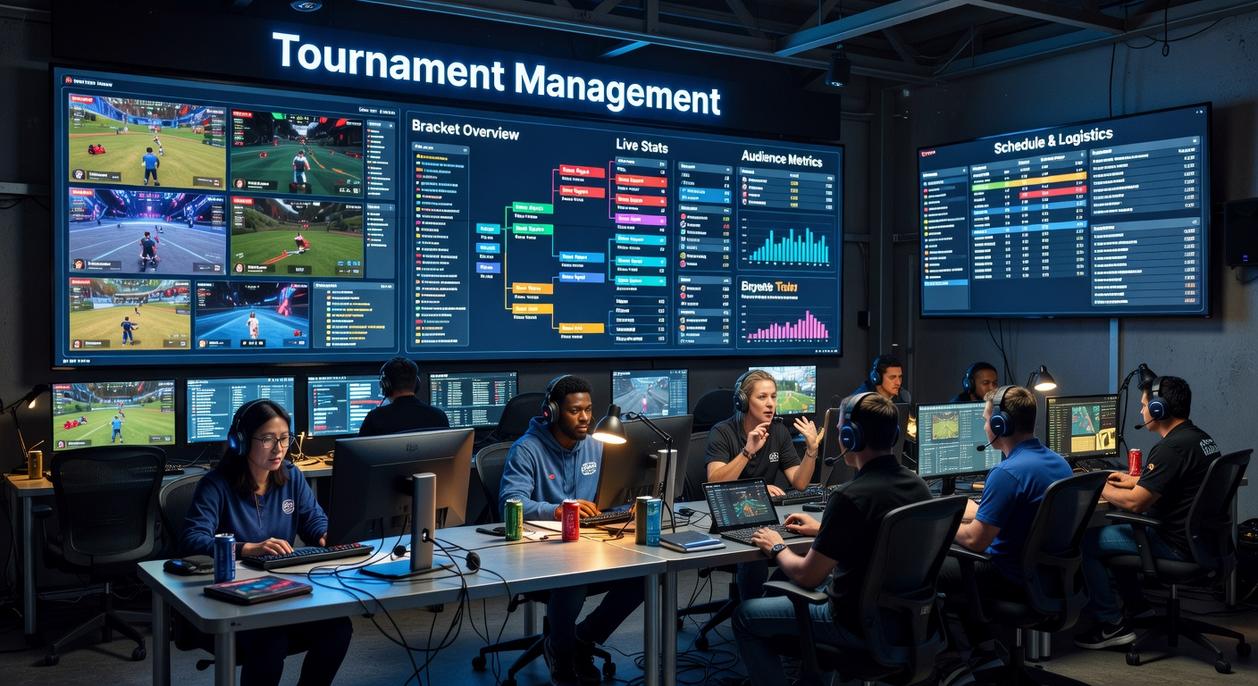
This is where your planning either shines—or falls apart.
The Command Center
Your primary communication hub should almost always be Discord. A command center is a centralized digital space where players, admins, and spectators get real-time updates (think mission control, but with more memes).
Set up these channels before the event goes live:
- #announcements – Read-only. Post schedules, bracket links, and rulings.
- #rule-questions – Keep clarifications public to avoid repeated confusion.
- #match-reporting – Structured format only (Player A 2–1 Player B).
- #admin-support – Private tickets for sensitive issues.
Recommendation: Assign at least one dedicated moderator per 50 participants. Fast responses build trust—and silence breeds frustration.
Pro tip: Pin templates in reporting channels. Structure prevents chaos.
Mastering the Bracket
Seeding is the process of ranking players to create balanced matchups. Random seeding works for casual events, but skill-based seeding creates better competitive flow (and fewer first-round blowouts).
When the tournament starts:
- Double-check player check-ins.
- Lock the bracket before round one.
- Update results immediately.
Accuracy and speed matter. A 2023 survey by Battlefy found that delayed bracket updates were among the top complaints from players in online tournaments.
Use online tournament management tips to streamline workflows and automate result tracking where possible.
If you’re unsure how funding structures impact participation and expectations, review how prize pools and sponsorships work in gaming events before scaling your event.
Conflict Resolution 101
Disputes are inevitable (competitive energy is a feature, not a bug).
Establish a clear framework:
- Evidence required: Screenshots, match IDs, or video clips.
- Time limit: Reports must be filed within 10–15 minutes.
- Decision authority: One lead admin makes the final call.
Communicate rulings calmly and decisively. Avoid public debates. State the decision, reference the rule, move forward. Professional tone preserves credibility.
Engaging the Audience
Even small events deserve production polish.
- Casters explain strategy and build hype.
- Overlays display brackets, player names, and scores.
- Live chat interaction keeps viewers invested.
A compelling stream turns participants into repeat competitors. And that’s how you build longevity—not just a one-off bracket night.
Phase 3: Post-Match Analysis and Community Building
I once wrapped a small weekend tournament and waited three days to announce the winners. Big mistake. By the time I posted, the hype had cooled (and so had a few tempers). That experience taught me that speed builds trust.
The Winner’s Circle
Announce winners immediately, tag them publicly, and distribute prizes fast. Transparency signals legitimacy. Post final scores, screenshots, or brackets so no one questions the outcome. In esports, trust is currency (and you don’t want to run out).
Gathering Intelligence
After one event, I sent a three-question survey and uncovered more insight than hours of guesswork. Keep it simple:
- What did you enjoy most?
- What frustrated you?
- Would you join again?
This feedback loop—systematically collecting player opinions to improve future events—turns casual players into loyal regulars. Pro tip: offer a small giveaway for completed responses to boost participation.
Creating Lasting Hype
Repurpose everything. Share highlight reels, post final brackets, and write a recap thread. These double as online tournament management tips for future hosts watching your process.
The Next Chapter
Use email lists, Discord servers, and social polls to tease your next event. One great tournament isn’t the finish line—it’s the trailer for the sequel.
You now have a complete roadmap to manage online tournaments effectively, addressing the core challenge of maintaining order and engagement. Instead of chaotic brackets flickering across dim screens and heated Discord pings buzzing in your ears, you can create a smooth, well-lit competitive arena where every click feels crisp. By applying structured online tournament management tips, you prevent disputes before they spark and replace confusion with clear, steady communication. Moreover, a three-phase system—planning, live oversight, and post-event feedback—keeps everything running like a finely tuned engine. Start planning your next event, and soon your reputation will echo through the community.
Level Up Your Next Tournament
You came here looking for clarity on how to run smoother events, sharpen competitive structure, and avoid the chaos that ruins so many gaming tournaments. Now you have the blueprint — from smarter brackets and balanced formats to practical online tournament management tips that keep players engaged and operations tight.
Disorganized brackets, no-shows, rule disputes, and technical hiccups don’t just frustrate players — they damage your reputation. In competitive gaming, one poorly managed event can cost you credibility, community trust, and future growth.
The good news? With the right structure, tools, and preparation, you can host tournaments that feel professional, competitive, and unforgettable.
If you’re serious about running smoother events and building a standout esports presence, start applying these strategies to your next tournament now. Follow proven systems, refine your setup, and stay ahead of common pitfalls.
Don’t let preventable mistakes hold your events back. Take action today, implement these insights, and turn your next tournament into the one players can’t stop talking about.

 Linda Boggandaron writes the kind of insider explorations content that people actually send to each other. Not because it's flashy or controversial, but because it's the sort of thing where you read it and immediately think of three people who need to see it. Linda has a talent for identifying the questions that a lot of people have but haven't quite figured out how to articulate yet — and then answering them properly.
They covers a lot of ground: Insider Explorations, Esports Team Developments, Game Hosting and Setup Tips, and plenty of adjacent territory that doesn't always get treated with the same seriousness. The consistency across all of it is a certain kind of respect for the reader. Linda doesn't assume people are stupid, and they doesn't assume they know everything either. They writes for someone who is genuinely trying to figure something out — because that's usually who's actually reading. That assumption shapes everything from how they structures an explanation to how much background they includes before getting to the point.
Beyond the practical stuff, there's something in Linda's writing that reflects a real investment in the subject — not performed enthusiasm, but the kind of sustained interest that produces insight over time. They has been paying attention to insider explorations long enough that they notices things a more casual observer would miss. That depth shows up in the work in ways that are hard to fake.
Linda Boggandaron writes the kind of insider explorations content that people actually send to each other. Not because it's flashy or controversial, but because it's the sort of thing where you read it and immediately think of three people who need to see it. Linda has a talent for identifying the questions that a lot of people have but haven't quite figured out how to articulate yet — and then answering them properly.
They covers a lot of ground: Insider Explorations, Esports Team Developments, Game Hosting and Setup Tips, and plenty of adjacent territory that doesn't always get treated with the same seriousness. The consistency across all of it is a certain kind of respect for the reader. Linda doesn't assume people are stupid, and they doesn't assume they know everything either. They writes for someone who is genuinely trying to figure something out — because that's usually who's actually reading. That assumption shapes everything from how they structures an explanation to how much background they includes before getting to the point.
Beyond the practical stuff, there's something in Linda's writing that reflects a real investment in the subject — not performed enthusiasm, but the kind of sustained interest that produces insight over time. They has been paying attention to insider explorations long enough that they notices things a more casual observer would miss. That depth shows up in the work in ways that are hard to fake.