
Gaming isn’t just about playing anymore—it’s about understanding the systems, strategies, and trends shaping the industry right now. Whether you’re looking to sharpen your competitive edge, stay updated on esports team developments, or learn how to set up and host successful tournaments, this article is designed to give you clear, actionable insights that match exactly what you’re searching for.
The gaming landscape is evolving fast, from core gameplay strategies to modern gaming monetization models that influence how titles are built and sustained. Players and organizers alike often struggle to keep up with constant updates, shifting metas, and new competitive structures. That’s where this guide comes in.
We’ve analyzed current industry trends, competitive play data, and tournament best practices to deliver practical, up-to-date information you can trust. By the end, you’ll have a clearer understanding of today’s gaming ecosystem—and the knowledge to navigate it with confidence.
The Price of Entry: Premium vs. Free-to-Play
Premium Model (Pay-to-Play)
As developers explore various monetization models in modern gaming, understanding how these strategies can influence player engagement and community building is essential—especially if you’re planning a local gaming tournament, as outlined in our step-by-step guide – for more details, check out our Step-by-Step Guide to Organizing a Local Gaming Tournament.
The old-school approach: pay $60–$70 upfront and own the full experience. I’ll admit, there’s something satisfying about this model. No energy timers. No constant nudges to spend (well, mostly). But it’s not as “complete” as it once was. Post-launch monetization is now standard.
- Downloadable Content (DLC) & Expansions extend a game’s life with new maps, characters, or story arcs.
- Some feel like genuine value; others feel sliced from the base game (you know the type).
Free-to-Play (F2P) Model
Free entry, massive audience. That’s the hook. Revenue comes from cosmetics, battle passes, and microtransactions—core pillars of modern gaming monetization models. I think F2P democratizes access, but it can tilt toward “pay-to-win” if balance slips.
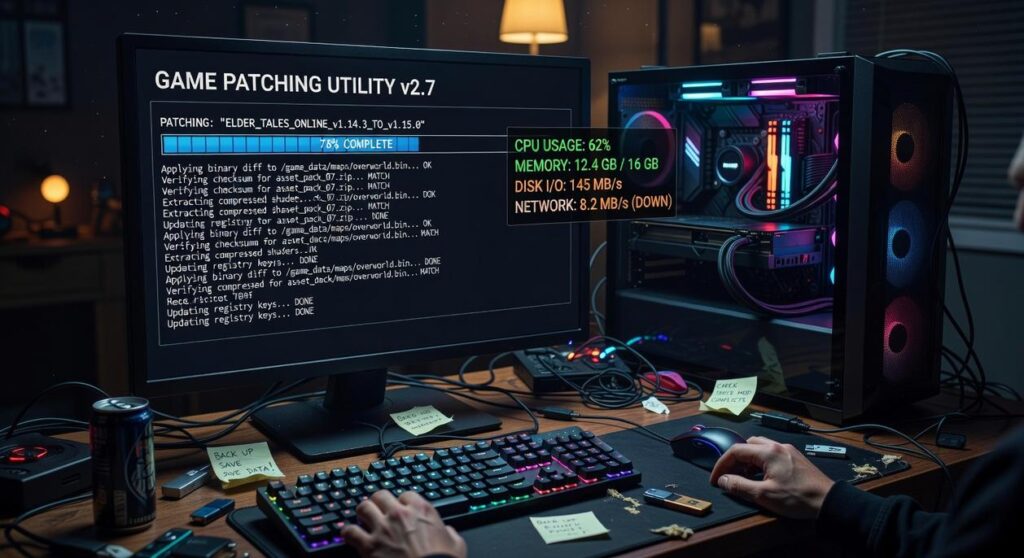
Critics argue premium games respect players more. Maybe. But F2P titles thrive because scale matters; more players mean more competition, more esports viability, and bigger updates—like those explained in what happens during a major game patch update.
Personally? I prefer paying upfront—less nickel-and-diming, more immersion.
The In-Game Economy: A Deep Dive into Microtransactions

Boot up a free-to-play title and you can almost hear the storefront humming behind the main menu—the soft chime of premium currency, the glittering glow of a featured skin rotating under digital spotlights. That’s the in-game economy at work.
Microtransactions are small, optional purchases made with real money for virtual goods or services. They’re pillars of modern gaming monetization models, and they generally fall into four categories:
-
Cosmetic Items
These include skins, weapon camos, and emotes. They shimmer, sparkle, and sometimes leave neon trails across your screen—but offer no gameplay edge. Many players defend cosmetics as harmless self-expression (think Fortnite concerts and crossover skins). Critics argue even cosmetics exploit FOMO through limited-time drops. -
Convenience & Time-Savers
XP boosts and resource packs make progression feel smoother, like turning down the grind’s rough edges. Supporters say they respect players’ limited time. Opponents counter that games are sometimes intentionally slowed to sell the solution. -
Loot Boxes & Gacha Mechanics
The thrill here is auditory and visual: the drumroll, the flash, the reveal. Randomized rewards create suspense similar to slot machines. Regulators in countries like Belgium have classified certain loot boxes as gambling (Belgian Gaming Commission, 2018). Defenders call it optional fun; critics see psychological manipulation. -
Direct Gameplay Advantages (Pay-to-Win)
Buying stronger weapons or characters can tilt matches instantly. Some argue revenue keeps servers alive. Others insist competitive balance should never be for sale (especially in esports-driven titles).
At its best, microtransactions feel invisible. At their worst, they’re the loudest sound in the room.
Games as a Service: Monetizing Ongoing Engagement
The GaaS Philosophy
Games as a Service (GaaS) means treating a title as a living platform rather than a boxed product you finish and forget. Instead of relying on a single launch spike, developers release steady updates—new maps, characters, events—to keep players invested for months or years. The benefit? Players get evolving experiences, and studios gain predictable revenue to fund better content (a win-win that keeps servers alive and communities thriving).
Battle Passes / Season Passes
A battle pass is a time-limited progression track where players unlock cosmetic or gameplay rewards by completing challenges. Because rewards expire at season’s end, engagement naturally increases. Players benefit from:
- Clear goals and structured progression
- Exclusive, status-boosting cosmetics
- Better value compared to one-off purchases
It’s the same psychological pull that keeps people finishing a Netflix series before spoilers hit social media.
Subscription Models
Subscriptions charge a recurring fee for ongoing access—either to one game or a rotating library. For players, this lowers upfront costs and expands variety. For publishers, it stabilizes cash flow and supports long-term planning. Among modern gaming monetization models, subscriptions stand out for aligning consistent value with consistent revenue.
Expanding the Arena: Esports and Community-Driven Revenue
Esports turns competitive gaming into a global stage where players become athletes and fans become loyal communities. It’s not just entertainment; it’s infrastructure for serious revenue growth. For players, teams, and developers, the benefit is clear: more ways to earn without relying solely on base game sales. That’s where modern gaming monetization models come into play.
Team and league revenue mirrors traditional sports. Organizations sell branded in-game skins, negotiate broadcast rights, and secure sponsorships from global brands. The upside for fans? Supporting a favorite squad through digital items feels personal (like wearing your team’s jersey to the Super Bowl, just with better graphics).
Creators amplify this ecosystem. Streamers and YouTubers showcase gameplay, build trust, and convert attention into sales. With Support-a-Creator Codes, audiences enter a unique code at checkout, and the creator earns a commission. Everyone wins: players feel connected, creators monetize passion, and developers gain authentic marketing.
Benefits for Competitive Communities
The real value lies in sustainability.
- Diversified income streams reduce financial risk.
- Stronger fan loyalty increases lifetime value.
- Scalable tournament ecosystems attract investors.
It’s a flywheel effect: competition drives viewership, viewership drives spending, and spending funds bigger events. Opportunities expand dramatically.
Level Up Your Gaming Strategy Today
You came here to understand how today’s gaming landscape really works — from competitive trends to smarter tournament setups and the rise of modern gaming monetization models. Now you have a clearer picture of how these systems shape player experience, team growth, and long-term success.
The truth is, the gaming world moves fast. If you’re not adapting to new monetization structures, evolving esports dynamics, and smarter hosting strategies, you risk falling behind while others level up. That gap can mean lost revenue, weaker engagement, or missed competitive opportunities.
The good news? You don’t have to navigate it alone. Stay ahead of shifting trends, sharpen your core strategies, and apply what you’ve learned to your next event, stream, or competitive push.
If you’re serious about staying competitive and turning your passion into measurable growth, start implementing these insights today. Explore deeper strategy breakdowns, track emerging esports developments, and refine your approach now — because the players who adapt first are the ones who win most.

 Linda Boggandaron writes the kind of insider explorations content that people actually send to each other. Not because it's flashy or controversial, but because it's the sort of thing where you read it and immediately think of three people who need to see it. Linda has a talent for identifying the questions that a lot of people have but haven't quite figured out how to articulate yet — and then answering them properly.
They covers a lot of ground: Insider Explorations, Esports Team Developments, Game Hosting and Setup Tips, and plenty of adjacent territory that doesn't always get treated with the same seriousness. The consistency across all of it is a certain kind of respect for the reader. Linda doesn't assume people are stupid, and they doesn't assume they know everything either. They writes for someone who is genuinely trying to figure something out — because that's usually who's actually reading. That assumption shapes everything from how they structures an explanation to how much background they includes before getting to the point.
Beyond the practical stuff, there's something in Linda's writing that reflects a real investment in the subject — not performed enthusiasm, but the kind of sustained interest that produces insight over time. They has been paying attention to insider explorations long enough that they notices things a more casual observer would miss. That depth shows up in the work in ways that are hard to fake.
Linda Boggandaron writes the kind of insider explorations content that people actually send to each other. Not because it's flashy or controversial, but because it's the sort of thing where you read it and immediately think of three people who need to see it. Linda has a talent for identifying the questions that a lot of people have but haven't quite figured out how to articulate yet — and then answering them properly.
They covers a lot of ground: Insider Explorations, Esports Team Developments, Game Hosting and Setup Tips, and plenty of adjacent territory that doesn't always get treated with the same seriousness. The consistency across all of it is a certain kind of respect for the reader. Linda doesn't assume people are stupid, and they doesn't assume they know everything either. They writes for someone who is genuinely trying to figure something out — because that's usually who's actually reading. That assumption shapes everything from how they structures an explanation to how much background they includes before getting to the point.
Beyond the practical stuff, there's something in Linda's writing that reflects a real investment in the subject — not performed enthusiasm, but the kind of sustained interest that produces insight over time. They has been paying attention to insider explorations long enough that they notices things a more casual observer would miss. That depth shows up in the work in ways that are hard to fake.