Ever been to a gaming event that was complete chaos? I’m talking laggy internet, confusing brackets, and a serious lack of pizza. It’s a nightmare, right?
Now imagine this: a smooth experience where everything runs like clockwork. proper tournament logistics management comes into play.
I’ve been in the trenches, from local meetups teetering on disaster to major tournaments that felt like something out of a blockbuster. Trust me, I’ve seen it all. So why gamble with your gaming event when you can open up the ultimate power-up?
This guide will show you how event coordination services can transform your gaming chaos into an esports spectacle. You’ll discover what these services are, why they’re important, and how to choose the right team for your event. Get ready.
You’re about to level up your event game.
Gaming Event Coordination: The Raid Leader of Esports
Ever wondered what gaming event coordination services really involve? Let me tell you, it’s not about flower arrangements or seating charts. Picture a raid leader in your favorite MMORPG.
They’ve got one job: keep the team focused and handle chaos. That’s what gaming event coordinators do, but in real life (and without the annoying loot disputes).
What makes a gaming event coordinator different from a traditional one? It’s all about proactive problem-solving. We’re talking low-latency connections, player comfort, and broadcast quality.
It’s not just a checklist. It’s anticipating tech glitches and staying a step ahead.
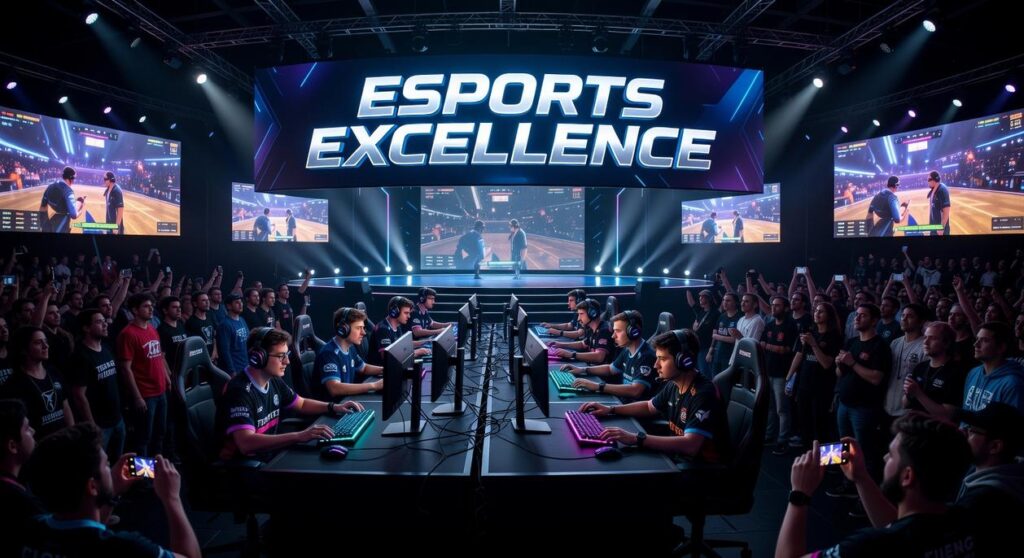
Think about it: a room buzzing with excitement, the hum of high-speed computers, and the click-clack of mechanical keyboards. That’s the world they operate in. It’s not for the faint-hearted.
The key goals? Simple. Maximize player experience.
It’s tournament logistics management, but with an adrenaline rush.
Make sure technical stability. Create engaging content for viewers. Manage competitive integrity.
Now, you might be asking, how does this all tie into setting up local esports tournament? Well, it’s about crafting an unforgettable experience. Whether it’s a small local event or a huge international tournament, the principles remain the same.
Pro tip: always have a backup plan for your backup plan. It’s not being paranoid; it’s being prepared. Because in the world of gaming events, you never know when your “boss” might throw a curveball.
And that’s why we love it.
The ‘Player One’ Package: Core Services You Can’t Skip
Getting your tournament off the ground is like setting up your first gaming console. You’ve got to get the basics right or it’s game over before you even start. Let’s break it down.
The Respawn Point: Logistics & Venue Management
Think of your venue as the heart of your tournament. Without the right setup, you’re risking a “game over” screen. You need a place with enough power to run all those machines, a stable high-speed internet connection (seriously, don’t skimp here), and proper ventilation.
Ever been in a room full of gamers without it? Trust me, you don’t want to. Space is key too, for both players and spectators.
You don’t want people crammed in like sardines. Check out this tournament logistics plan & guidelines for some solid takeaways.
The Heads-Up Display (HUD): Tech, A/V, & Streaming
Here’s where it gets techy. Setting up PCs, consoles, and peripherals isn’t just plug and play. You need audio mixers for clear sound and streaming software that won’t crash mid-broadcast.
Redundancy is your safety net (think extra cables and backup gear). And on-site tech support is a must. I mean, can you really trust that everything will go smoothly?
Spoiler: It won’t.
The Quest Log: Tournament & Bracket Operations
Managing the tournament logistics management is like playing a real-time plan game. You’ve got to handle sign-ups, seed players correctly, and run the bracket software like Challonge or Battlefy. Without official admins, disputes will turn into chaos faster than you can say “lag spike.” A well-oiled operation is not just a nice-to-have.
It’s important. You need people who can make decisions on the fly and keep the event running smoothly.
Remember, this starter build is your foundation. Get it right, and you’ll have a tournament that players can’t stop talking about. Miss a step, and you’ll be stuck in respawn hell.
Choose wisely.
Level Up Your Event: Advanced Coordination Tactics
So, you’ve got your tournament logistics management down, but you want to take your event from good to mind-blowing? You need the DLC (the) expansion pack that turns your event into something unforgettable.

Unlocking Achievements: Sponsor & Vendor Integration
Integrating sponsors at your event? It shouldn’t feel like a corporate invasion. Think of it like adding a new feature in a game that blends seamlessly with the original.
You want them to boost the experience, not take over. Get sponsors on board who understand the community vibe. They can contribute to prize pools or set up booths.
But make sure it feels authentic. It’s not just about slapping logos everywhere. (Nobody wants that.)
Side Quests & NPCs: Managing Talent & Community
Let’s talk talent coordination. Casters, hosts, special guests (they’re) like the NPCs of your event. You need to manage them effectively.
This isn’t just about scheduling. You must make sure they’re part of the community. Set up activities that invite player interaction.
Free-play areas or raffles can work wonders. And don’t skip out on meet-and-greets either. These are golden opportunities to solidify community ties.
Loot Drop: Prize Pool & Payout Logistics
Prize pools are more complex than they seem. Handling the money, distributing it properly, filling out paperwork (it’s) a logistical puzzle. Make sure all documents are in order.
Payments to winners must be timely and accurate. It’s easy to mess up, but key for credibility. Want more takeaways on how to make your event interactive?
Check out this guide.
Leveling up your event takes effort, but these tactics will help. You just need to integrate them correctly. Like a game expansion, they add depth, making your tournament truly stand out.
Choosing Your Squad: Hire the Right Event Coordinator
Alright, you’re thinking about hiring an event coordinator. Smart move. But it’s not as easy as grabbing the first guy with a clipboard, is it?
Nope. You’ve got to find someone who really gets tournament logistics management. Here’s what you need to know.
First, look for these stats:
- Direct experience with gaming events
- Technical proficiency
- Strong communication skills
- Clear passion for the community
These are non-negotiable. You wouldn’t pick a quarterback who can’t throw, right?
Now, let’s talk interview. Ask questions that dig deep. Things like, “What’s the biggest technical issue you’ve solved mid-event?” or “How do you handle a dispute over a match ruling?” You want real answers, not fluff.
That way, you get a sense of how they think on their feet.
And don’t ignore red flags. Watch out for coordinators who use generic event jargon or can’t speak to the specific needs of your game. It’s like hiring a chef who doesn’t know a filet mignon from a hamburger.
Not cool.
Pro tip: Trust your gut. If they can’t explain their role in simple terms, they probably can’t handle the complexity of your event. Keep it real, keep it smart.
Ready to Level Up Your Gaming Event?
Trying to juggle a massive gaming event solo? That’s a fast track to burnout. I get it.
You’re just sidestepping a chaotic mess. Trust me, letting professionals handle tournament logistics management is your ticket to a legendary tournament. Picture this: you focus on the thrill and the camaraderie while experts tackle all the messy details.
It’s not just about avoiding headaches. You want a memorable event. So, why risk it?
Start planning today. You’ve got the passion. Let us bring the magic.
Visit our site now and step into a stress-free gaming experience.

 Linda Boggandaron writes the kind of insider explorations content that people actually send to each other. Not because it's flashy or controversial, but because it's the sort of thing where you read it and immediately think of three people who need to see it. Linda has a talent for identifying the questions that a lot of people have but haven't quite figured out how to articulate yet — and then answering them properly.
They covers a lot of ground: Insider Explorations, Esports Team Developments, Game Hosting and Setup Tips, and plenty of adjacent territory that doesn't always get treated with the same seriousness. The consistency across all of it is a certain kind of respect for the reader. Linda doesn't assume people are stupid, and they doesn't assume they know everything either. They writes for someone who is genuinely trying to figure something out — because that's usually who's actually reading. That assumption shapes everything from how they structures an explanation to how much background they includes before getting to the point.
Beyond the practical stuff, there's something in Linda's writing that reflects a real investment in the subject — not performed enthusiasm, but the kind of sustained interest that produces insight over time. They has been paying attention to insider explorations long enough that they notices things a more casual observer would miss. That depth shows up in the work in ways that are hard to fake.
Linda Boggandaron writes the kind of insider explorations content that people actually send to each other. Not because it's flashy or controversial, but because it's the sort of thing where you read it and immediately think of three people who need to see it. Linda has a talent for identifying the questions that a lot of people have but haven't quite figured out how to articulate yet — and then answering them properly.
They covers a lot of ground: Insider Explorations, Esports Team Developments, Game Hosting and Setup Tips, and plenty of adjacent territory that doesn't always get treated with the same seriousness. The consistency across all of it is a certain kind of respect for the reader. Linda doesn't assume people are stupid, and they doesn't assume they know everything either. They writes for someone who is genuinely trying to figure something out — because that's usually who's actually reading. That assumption shapes everything from how they structures an explanation to how much background they includes before getting to the point.
Beyond the practical stuff, there's something in Linda's writing that reflects a real investment in the subject — not performed enthusiasm, but the kind of sustained interest that produces insight over time. They has been paying attention to insider explorations long enough that they notices things a more casual observer would miss. That depth shows up in the work in ways that are hard to fake.