Ever felt like you’re banging your head against a wall in your favorite game? You grind hours, push harder, but still can’t break through. It’s infuriating.
Here’s the hard truth: raw talent and random practice won’t cut it anymore. The esports scene is brutal. If you’re not structured, you’re stagnant. this guide steps in.
We’ve dissected the training routines of top-tier pros and organizations. Why? To hand you the keys to smashing those performance plateaus.
An esports performance trainer isn’t just a buzzword. It’s a game-changer. I’ll break down what these trainers do, the areas they boost, and how to pick the right one.
This guide is your launchpad to ascend from amateur to pro. Trust me, this is your definitive guide to coaches esports success.
Beyond the Play: Unpacking the True Role
When we talk about coaches in esports success, most people immediately think of game-specific coaches. They focus on plan, meta, and tactics. But what really drives results?
It’s the performance trainer (they’re) the ones who mold players into complete athletes. Think of it like a football team. The in-game coach is your offensive coordinator, tweaking the plan.
Meanwhile, the performance trainer is the strength and conditioning coach. They’re building up the athlete’s mind and body, key for long-term success.
A good performance trainer handles everything from mental conditioning and physical optimization to habit formation and performance data analysis. Why has this role surged? With increasing prize pools, every little advantage counts.
Marginal human optimizations can mean the difference between winning and losing. Esports isn’t just pixels on screens; it’s a battleground of human performance.
Let’s explore ‘The Performance Space.’ Performance trainers don’t work in isolation. They collaborate with analysts, nutritionists, and game coaches, creating a smooth system around the player. It’s all about integration.
You can’t just adapt to game changes; you need a team that focuses on adapting meta changes team dynamics.
These roles are evolving. They’re an answer to the demands of a competitive environment. As someone who’s seen the space change firsthand, I can tell you: this is the new frontier.
It’s about bringing every element of human potential together. Are you ready to take esports to the next level? It’s more than just coaching; it’s transforming how we view gaming success.
Game On: Mastering the Three Pillars
You want to excel in esports? Then you’ve got to nail three pillars. First, cognitive and mental fortitude.
It’s not just about keeping cool; it’s about having a mental edge when the stakes are high. Coaches focus on techniques like visualization (seeing yourself win before it happens), controlled breathing to keep anxiety at bay, and positive self-talk. Pro tip: Practice these in low-pressure environments before you hit the big leagues.
And let’s talk about coaches esports success. They’re not just there to watch you play. They’re there to shape how you think under pressure.
If you want to leap from amateur to pro, check out the real role of a coaches esports success.
Next, physical conditioning and ergonomics. You might think gaming is just about the fingers, but the whole body matters. Sleep is the foundation (ever tried playing after a night of tossing and turning?).
Then there’s nutrition (fuel) your brain with the right stuff. And exercise isn’t just for gym rats. It sharpens your reflexes and builds endurance.
Don’t forget about ergonomics. Your setup matters. A good chair, correct monitor height, and proper keyboard positioning can prevent injuries.
You’ve seen those wrist braces, right? Avoid them by getting your setup right from the start.
Finally, habit and routine optimization. Without routine, you’re lost. Structuring warm-ups and cool-downs isn’t just for athletes; it’s for anyone serious about their craft.
Keep practice varied. Vod reviews, drills, scrims (each) has its place. And be wary of burnout.
A season’s long. Pace yourself.
These pillars aren’t just theory. They’re the building blocks of success. So, ready to level up?
Embrace these pillars, and you’ll see the difference. Remember, it’s not just talent; it’s how you hone it.
Hiring Esports Trainers: Your Game-Changer
Finding a top-tier esports trainer isn’t like picking a pair of socks. It’s a bit more complicated. You want someone who can actually deliver results, not just talk a big game.
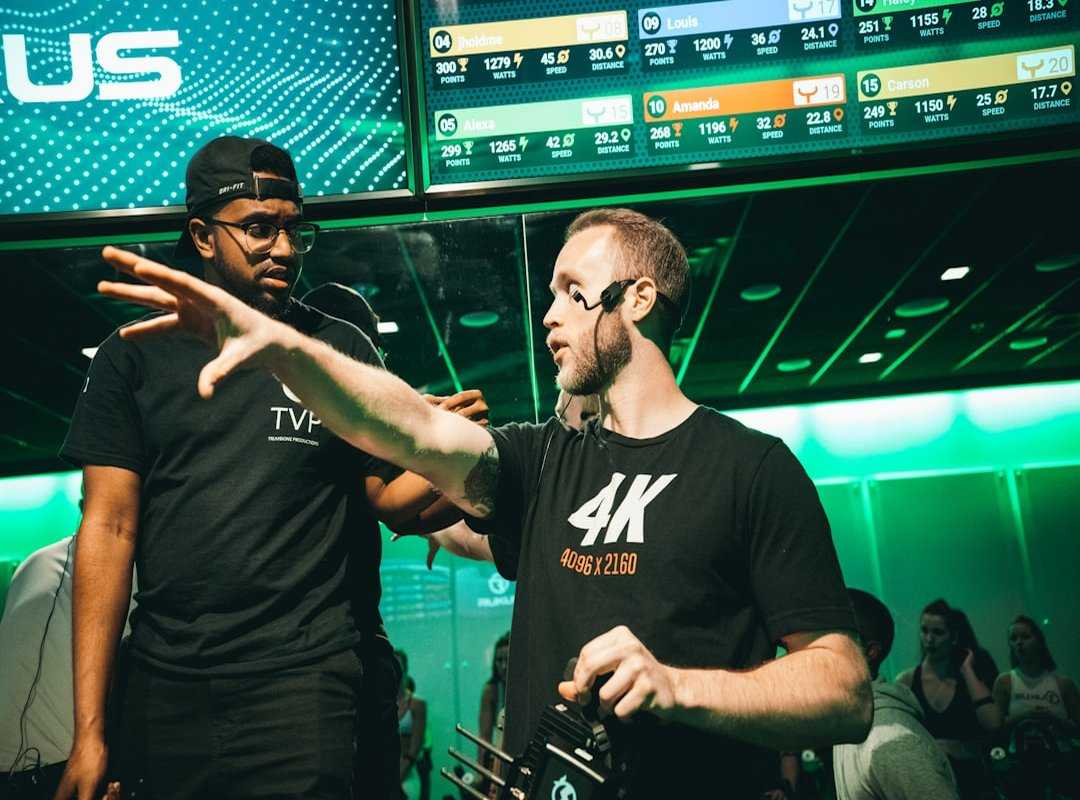
So, where do you start?
First off, hit up professional networking sites like LinkedIn (obviously). But also look at specialized esports coaching platforms. They’re like the hidden gems.
And don’t sleep on reaching out to established esports organizations. They often have insider info on who the best coaches are.
Now, onto the nitty-gritty: the vetting checklist. You need to grill these potential trainers. Ask them about their training philosophy.
Do they have case studies or testimonials? Can they show they’ve worked with players in your specific game? More importantly, how do they track and measure player improvement?
And, of course, what’s their background? Any relevant qualifications or certifications?
But let’s talk red flags. If a trainer promises guaranteed results, run. Seriously.
That’s snake oil. Also, watch out for anyone without a structured program. Or those who only focus on one aspect of performance and ignore the rest.
You need a well-rounded approach. Not some one-trick pony.
Pro tip: Always trust your gut. If something feels off, it probably is. You wouldn’t want a coach who can’t deliver under pressure, right?
After all, coaches are key to esports success.
For more takeaways, check out the Recruiting Talent Look For In Players page. It’s packed with strategies on finding the right talent. Because let’s be real, hiring can make or break your team.
Get it wrong, and you’re toast. But with the right coach, you’re set to dominate. So choose wisely.
Esports Trainers: Worth the Price Tag?
When you’re thinking about hiring an esports performance trainer, your first thought might be, “Is it worth the money?” Let’s break it down. You’re not just throwing cash at a problem. You’re making a career investment.
A good trainer isn’t a luxury; it’s a necessity for anyone serious about climbing to Grandmaster or beyond. Sure, you’ll see the tangible benefits like improved K/D/A ratios, higher tournament placements, and consistent performance.
But what about the stuff you can’t see? There’s more than just rankings at play. A trainer can extend your career by keeping burnout at bay and boosting your mental health.
That’s huge. You’ll gain better communication and teamwork skills. You’ll even develop a professional mindset that sets you apart.
Coaches in esports aren’t just about techniques. They’re about fostering success.
Here’s a real-world tidbit. Imagine being stuck at the same rank for a year. Frustrating, right?
Now, picture breaking through in weeks. Not because you found a new trick but because a trainer helped you ditch the tilt-queuing habit that was dragging you down. That’s the power of a great trainer.
It’s not just about the game. It’s about transforming how you play it.
Break Your Performance Wall
You’ve hit a wall. Unstructured play isn’t enough anymore. I get it.
So, what’s the key? A complete approach. You need a professional esports performance trainer.
It’s not just an investment in skill but in your health and career too. Time to audit yourself.
Find your weakness. Is it the mental game, physical stamina, or inefficient practice? Identify it.
Then hunt for a specialist who can turn that weakness into your greatest strength.
This is your path to coaches esports success. Ready to break through? Dive into training and see how far you can go.

 There is a specific skill involved in explaining something clearly — one that is completely separate from actually knowing the subject. Luistelony McLendon has both. They has spent years working with esports team developments in a hands-on capacity, and an equal amount of time figuring out how to translate that experience into writing that people with different backgrounds can actually absorb and use.
Luistelony tends to approach complex subjects — Esports Team Developments, Event-Based Tournament Setups, Insider Explorations being good examples — by starting with what the reader already knows, then building outward from there rather than dropping them in the deep end. It sounds like a small thing. In practice it makes a significant difference in whether someone finishes the article or abandons it halfway through. They is also good at knowing when to stop — a surprisingly underrated skill. Some writers bury useful information under so many caveats and qualifications that the point disappears. Luistelony knows where the point is and gets there without too many detours.
The practical effect of all this is that people who read Luistelony's work tend to come away actually capable of doing something with it. Not just vaguely informed — actually capable. For a writer working in esports team developments, that is probably the best possible outcome, and it's the standard Luistelony holds they's own work to.