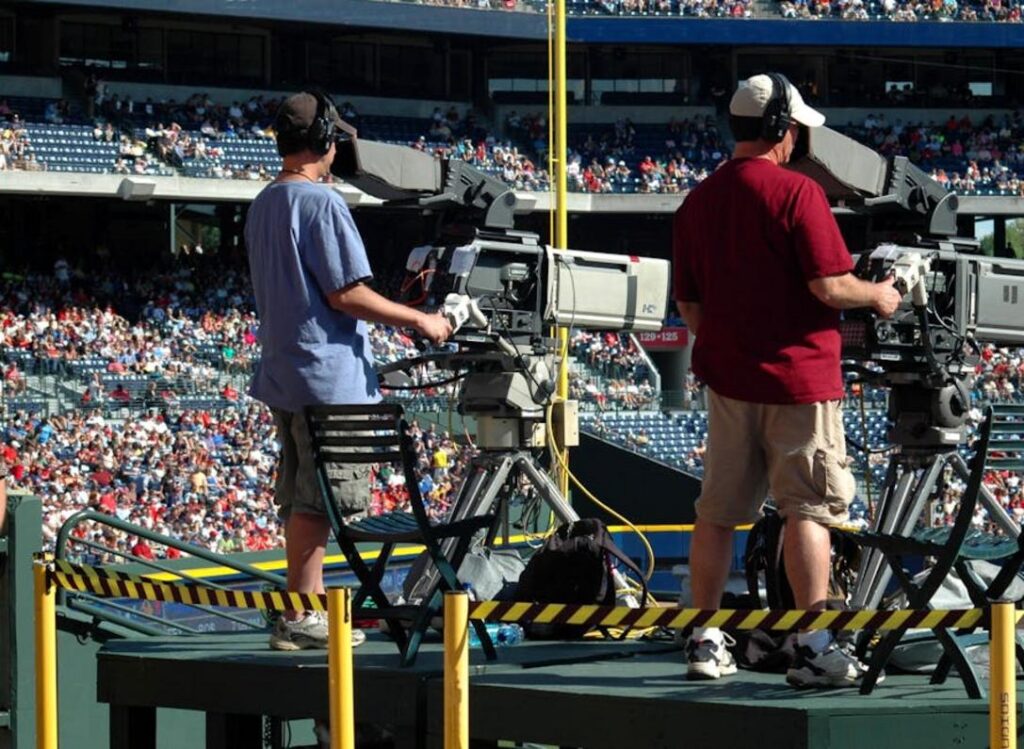

From Passion to Podium: A Blueprint for Your First Esports Tournament
If you’ve ever thought about organizing a gaming tournament, you already know how exciting—and overwhelming—it can feel. Between setting rules, securing a prize pool, promoting the event, and managing players, the moving parts add up fast. This guide is built for gamers, community leaders, and aspiring organizers who want a clear, practical roadmap without the fluff. We break down every stage—from initial planning to post-event wrap-up—into actionable steps you can follow with confidence. Drawing on proven tournament structures and real-world esports best practices, this blueprint helps you deliver a smooth, competitive, and professional event.
Laying the Groundwork: Core Tournament Planning
Once you’ve mapped out your tournament’s structure and regulations, take a moment to explore Etsgamevent for inspiration on promotional strategies that can elevate your event’s visibility and attract more participants.
Great tournaments aren’t built on hype. They’re built on SMART PLANNING.
Choosing Your Game
Start with your audience. A competitive title with an active player base (think Valorant or Super Smash Bros.) ensures sign-ups. Check:
- Community size (Discords, Reddit activity, Twitch viewership)
- Platform accessibility (PC-only limits players; cross-play expands reach)
- Spectator tools (observer modes, replays, API data)
For example, League of Legends offers built-in spectator features, making streaming smoother and more professional (Riot Games Developer Portal).
Defining the Format
Pick a structure that fits your goals:
- Single Elimination: Fast, simple, high stakes. Con: One loss and you’re out.
- Double Elimination: Fairer, second chance bracket. Con: Longer schedule.
- Round Robin: Everyone plays everyone. Con: Time-intensive but great for small groups.
Pro tip: If you’re organizing a gaming tournament for beginners, Double Elimination reduces early frustration.
Crafting the Rulebook
CLEAR RULES PREVENT CHAOS. Include:
- Match settings
- Code of conduct
- Scheduling deadlines
- Dispute resolution steps
The Esports Integrity Commission emphasizes written competitive standards to reduce conflicts (ESIC Global Report).
Budgeting for Success
Plan expenses carefully:
- Prize pool
- Platform or software fees
- Marketing ads
- Staff or casters
No surprises. No last-minute panic. (Because scrambling at midnight isn’t a strategy.)
Building the Arena: Logistics and Technical Setup

Let’s be honest: nothing kills hype faster than lag, dead outlets, or a bracket that won’t load. Whether you’re hosting online or LAN, the technical side is where most headaches live.
Online vs. LAN: Know Your Battlefield
Online events sound easier—until someone’s Wi-Fi drops mid-final (and suddenly it’s “not my fault, bro”). For online tournaments, prioritize:
- Server regions close to your players to reduce latency
- Stable, high-speed internet (wired connections > Wi-Fi, always)
- Backup hosts or admins in case someone disconnects
LAN events? Different beast. You’ll need:
- Reliable power distribution (bring surge protectors)
- Enough physical space for setups and spectators
- A secure local network switch setup
Pro tip: Always test the full setup the day before. Not the morning of. Trust me.
Essential Hardware & Software
Here’s the non-negotiable gear list:
- PCs or consoles (identical specs if possible)
- High-refresh monitors
- Quality headsets
- Ethernet cables and backup networking gear
On the software side, use tournament platforms like Battlefy or Toornament to automate brackets. For communication, set up a dedicated Discord server with clear channels for announcements, match reporting, and support. Confusion thrives in silence.
Player Registration & Communication
When organizing a gaming tournament, messy sign-ups are a universal pain point. Use a simple registration form with clear rules, deadlines, and team requirements. Pin everything important inside Discord. Repeat announcements. Then repeat them again.
Because if players say, “I didn’t see that,” they probably didn’t. Or they didn’t look. Either way, clarity wins.
Generating Hype: Promotion and Player Engagement
Marketing Your Event
If you’re organizing a gaming tournament, promotion can feel like shouting into the void. Social platforms like Twitter and Instagram reward consistency, but it’s not always clear what the algorithm favors (and anyone who says they’ve “cracked” it is probably guessing). Short clips, countdown graphics, and player spotlights tend to perform well because they’re easy to share.
Online communities such as Reddit and Discord require a lighter touch. Define community marketing as engaging in spaces where your audience already gathers rather than dragging them somewhere new. Spam posts will backfire. Thoughtful updates and genuine conversation build trust.
Pro tip: Create a simple content calendar two weeks before launch to avoid last-minute scrambling.
Designing an Appealing Prize Pool
A prize pool is the total value of rewards offered to participants. Some argue only big cash prizes attract talent. That’s partly true—large rewards signal legitimacy. But smaller events can balance cash with sponsored gear or exclusive in-game items. According to Eventbrite, 69% of millennials value experiences and recognition alongside monetary rewards (Eventbrite Research, 2014).
Scale prizes realistically to entry fees. Overpromising hurts credibility more than modest rewards ever will.
Building a Community
Community doesn’t magically appear after one bracket reveal. Share updates, highlight standout plays, and gather feedback post-event. Link players to resources like how to structure brackets for competitive esports events (https://etsgamevent.com.co/how-to-structure-brackets-for-competitive-esports-events/).
I won’t pretend there’s a perfect formula here. Engagement varies by game and audience. Still, consistent communication, transparent rules, and visible appreciation turn one-time competitors into regulars.
Game day is where preparation meets pressure. Running matches on time sounds obvious, yet many argue that a few delays “build hype.” In reality, consistent start times build trust. Use tournament software to automate brackets, define “match reporting” (the process of submitting verified scores), and double-check entries before advancing teams. A single typo can snowball into chaos.
Meanwhile, streaming matters just as much as gameplay. Some say flashy graphics are everything. Not quite. Clear audio, simple overlays, and readable scoreboards outperform cluttered screens (think less reality TV, more ESPN). Platforms like Twitch and YouTube offer built-in tools; test them early and monitor chat to keep viewers engaged.
Of course, disputes happen. Critics claim strict rulings feel harsh. However, decisive calls protect competitive integrity. Tournament administrators should reference written rules, gather evidence, and communicate outcomes calmly. When organizing a gaming tournament, fairness and momentum must outweigh popularity. Execution, ultimately, defines credibility.
Beyond the Grand Finals: Growing Your Next Event
You set out to learn what it really takes to succeed at organizing a gaming tournament, and now you have the roadmap to make it happen. What once felt overwhelming—scheduling, brackets, promotion, player management—is now a series of clear, actionable steps you can execute with confidence.
The biggest pain point for most organizers isn’t passion—it’s structure. Without a proven plan, even great ideas fall apart. By applying this framework, you turn chaos into coordination and ideas into unforgettable events.
Now it’s your move. Start small, host a focused event, gather real player feedback, and refine your process. The most successful tournament hosts didn’t start with a stadium—they started with a smart plan. Take action today and begin building the competitive experience your community is waiting for.

 Linda Boggandaron writes the kind of insider explorations content that people actually send to each other. Not because it's flashy or controversial, but because it's the sort of thing where you read it and immediately think of three people who need to see it. Linda has a talent for identifying the questions that a lot of people have but haven't quite figured out how to articulate yet — and then answering them properly.
They covers a lot of ground: Insider Explorations, Esports Team Developments, Game Hosting and Setup Tips, and plenty of adjacent territory that doesn't always get treated with the same seriousness. The consistency across all of it is a certain kind of respect for the reader. Linda doesn't assume people are stupid, and they doesn't assume they know everything either. They writes for someone who is genuinely trying to figure something out — because that's usually who's actually reading. That assumption shapes everything from how they structures an explanation to how much background they includes before getting to the point.
Beyond the practical stuff, there's something in Linda's writing that reflects a real investment in the subject — not performed enthusiasm, but the kind of sustained interest that produces insight over time. They has been paying attention to insider explorations long enough that they notices things a more casual observer would miss. That depth shows up in the work in ways that are hard to fake.
Linda Boggandaron writes the kind of insider explorations content that people actually send to each other. Not because it's flashy or controversial, but because it's the sort of thing where you read it and immediately think of three people who need to see it. Linda has a talent for identifying the questions that a lot of people have but haven't quite figured out how to articulate yet — and then answering them properly.
They covers a lot of ground: Insider Explorations, Esports Team Developments, Game Hosting and Setup Tips, and plenty of adjacent territory that doesn't always get treated with the same seriousness. The consistency across all of it is a certain kind of respect for the reader. Linda doesn't assume people are stupid, and they doesn't assume they know everything either. They writes for someone who is genuinely trying to figure something out — because that's usually who's actually reading. That assumption shapes everything from how they structures an explanation to how much background they includes before getting to the point.
Beyond the practical stuff, there's something in Linda's writing that reflects a real investment in the subject — not performed enthusiasm, but the kind of sustained interest that produces insight over time. They has been paying attention to insider explorations long enough that they notices things a more casual observer would miss. That depth shows up in the work in ways that are hard to fake.