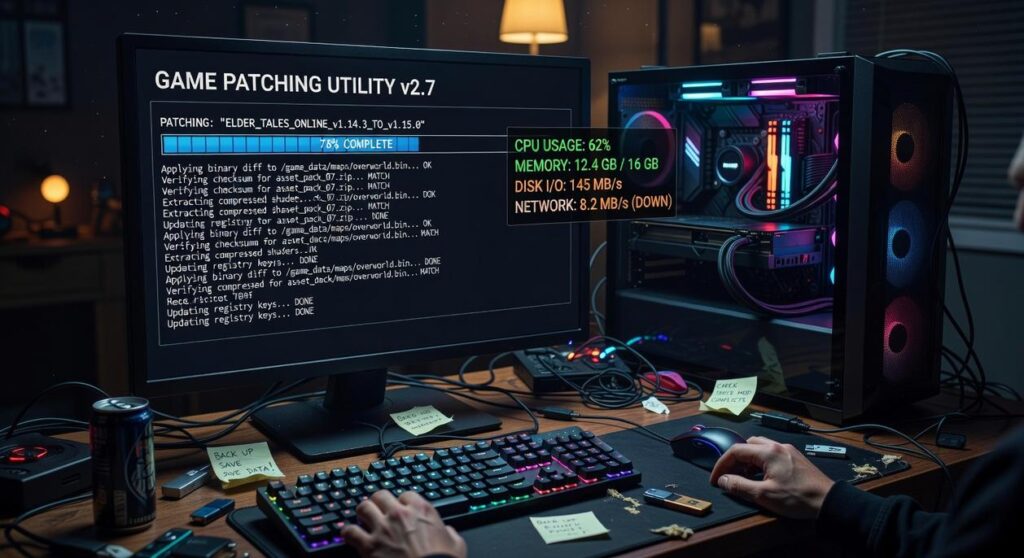
Ever wondered what actually happens between reporting a game-breaking bug and seeing that satisfying “Update Complete” notification? The journey from problem to patch is far more complex than a simple file swap. This guide pulls back the curtain on the game patch update process, breaking down every stage from bug discovery and internal triage to coding, certification, and final deployment on console or PC. You’ll learn why some fixes roll out in hours while others take weeks—or even months—depending on technical constraints, platform requirements, and testing demands. By the end, you’ll have a clear, behind-the-scenes understanding of the systems, safeguards, and strategic decisions that keep your favorite games stable, competitive, and ready for the next match.
Why Patches Are the Lifeblood of Modern Gaming
No game—no matter how polished—launches perfectly. Modern titles run on complex engines across thousands of hardware combinations, with millions of unpredictable player interactions. In other words, perfection at launch is a myth (yes, even your favorite RPG). That’s where patches come in—and why they directly benefit you.
First, patches fix what breaks. From collision glitches to quest blockers, updates smooth out your experience so you spend more time playing and less time restarting. According to a 2023 Unity gaming report, live-service updates significantly improve player retention when stability issues are addressed quickly. Stability equals satisfaction.
Moreover, patches balance the meta. In competitive games, “meta” refers to the most effective tactics available. Without balance updates—nerfing overpowered weapons or buffing underused heroes—competition becomes stale. Regular tweaks keep matches fair, skill-based, and exciting (nobody enjoys losing to the same exploit on repeat).
Then there’s new content. Through the game patch update process, developers deliver fresh maps, seasonal events, and full story expansions. This extends a title’s lifespan and gives you more value for your original purchase.
Finally, security updates matter. Anti-cheat improvements and server optimizations protect your progress and personal data. Pro tip: always enable automatic updates to stay protected.
Simply put, patches keep your games alive, fair, and worth your time.
From Code to Console: The Anatomy of a Game Patch
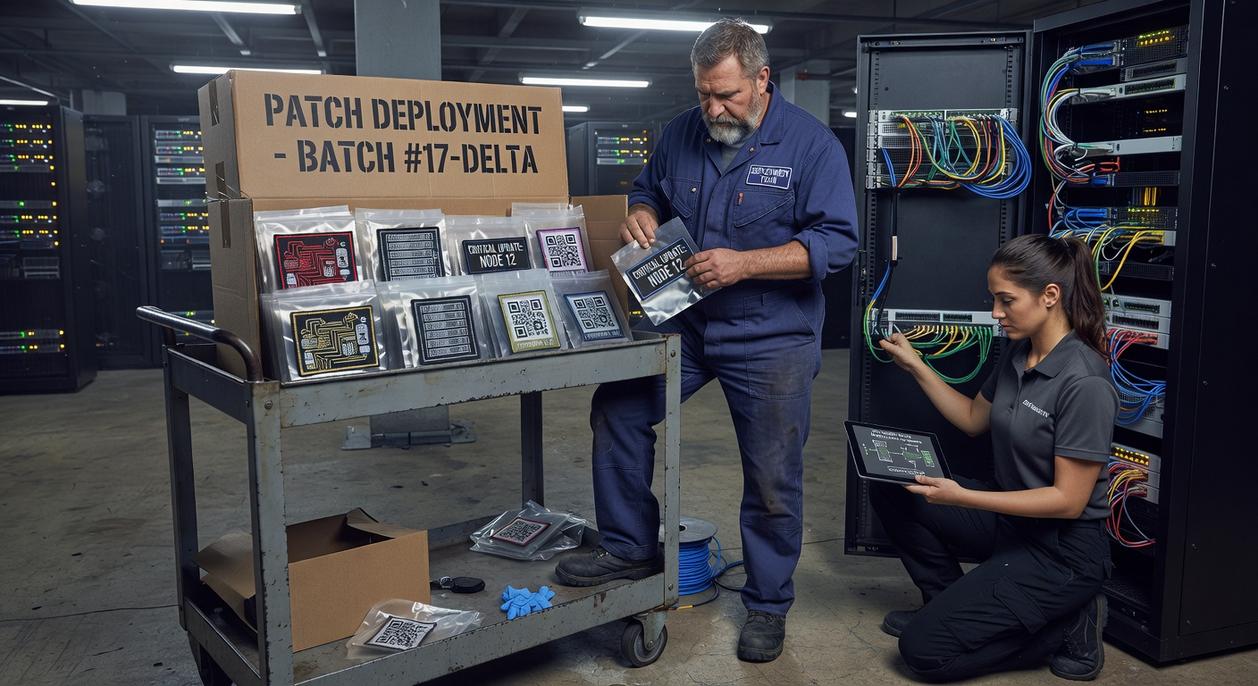
Ever wondered why a “small” update takes weeks? The game patch update process is less like flipping a switch and more like running a relay race where every handoff matters.
Step 1: Identification & Triage (The “What” and “Why”)
It starts with data. Developers collect player reports, automated crash logs (files the game creates when it unexpectedly shuts down), and internal test feedback. This stage is called triage—a term borrowed from emergency medicine that means prioritizing issues by severity.
A game-breaking crash? Top priority. A sword texture flickering in one cutscene? Annoying, but it waits. Teams often rank issues by:
- Severity (Does it crash the game?)
- Frequency (How many players are affected?)
- Impact (Does it block progression?)
Think of it like patching a sinking ship—you fix the hole before repainting the deck.
Step 2: Development & The “Dev Build” (The Fix)
Next comes the fix. Programmers reproduce the bug on a development build—an internal version of the game not available to players. Reproducing means triggering the issue consistently so they can trace the root cause in the code.
Sometimes the solution is simple. Sometimes it’s like pulling one Jenga block and hoping the tower doesn’t wobble (spoiler: it often does).
Step 3: Quality Assurance (QA) & Regression Testing (The “Does it Work?”)
QA testers verify the bug is gone. But they also perform regression testing, which means checking that the fix didn’t accidentally break something else. Fixing enemy AI shouldn’t suddenly make doors stop opening.
In other words, they test beyond the obvious.
Step 4: Platform Certification (The “Final Gatekeeper”)
For consoles, patches go through certification. Platform holders test technical compliance—ensuring the update won’t crash hardware or violate system policies. This step can add days or weeks.
Step 5: Deployment (Going Live)
Once approved, the patch is scheduled and pushed to platforms like Steam or console networks. Only then does the download appear on your screen.
Complex? Absolutely. Necessary? Also yes.
Not All Updates Are Created Equal
If you’ve ever booted up your favorite game and seen an update notification, you know the feeling. Excitement… or dread. But here’s my take: lumping every update together is like saying every movie sequel is the same (we all know that’s not true).
Hotfixes: The Firefighters
Hotfixes are small, emergency patches pushed out fast to fix critical, game-breaking issues. They often skip parts of the certification line with special approval. When a boss fight crashes the server or a weapon deletes players in one hit, this is the cavalry. Personally, I love their urgency—but they can feel rushed.
Minor Patches: The Tune-Ups
These are routine updates packed with bug fixes, balance tweaks, and quality-of-life changes. They follow the full game patch update process, meaning testing, certification, and platform checks. Some players call them boring. I disagree. Consistency keeps competitive scenes healthy.
• Pro tip: Read patch notes before jumping back into ranked.
Major Patches & Content Drops: The Headliners
Big updates bring new maps, characters, and story arcs. They take the longest to build—and when done right, they revive entire communities (hello, comeback seasons).
A healthier multiplayer ecosystem starts with players who report bugs well. A bad report says, “the game crashed.” A good one says, “the game crashed when I used X ability on Y character on Z map after the latest patch.” That context turns noise into actionable data. Developers rely on reproducible steps to trace issues inside the game patch update process.
• Pro tip: Include platform, region, and timestamp—those variables often reveal server-side conflicts competitors rarely discuss.
Public Test Realms (PTRs) go further. They let dedicated players stress-test balance changes early, catching exploits before they hit ranked ladders (and before chaos goes live).
The Unseen Engine of Your Gaming Experience
You came here to understand what really happens behind the scenes when a patch rolls out—and now you do. Every download represents a carefully coordinated game patch update process built on testing, approvals, iteration, and teamwork. That insight matters, especially when delays or unexpected bugs test your patience.
The frustration of waiting for fixes is real. But now you know why instant solutions aren’t always possible—and why the effort to improve your experience never truly stops.
Want deeper insights into the systems shaping your favorite titles? Explore more expert gaming breakdowns with us—trusted by thousands of competitive and casual players alike—and stay ahead of every update, strategy shift, and esports development. Dive in now.